
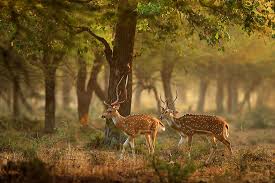
Wildlife plays a vital role in maintaining ecological balance by supporting the natural processes that keep ecosystems healthy and functional. Every species, whether plant or animal, has a specific role to play, and the loss of wildlife can disrupt these delicate relationships.
Wild animals help regulate populations within ecosystems. Predators control the numbers of herbivores, preventing overgrazing and allowing vegetation to regenerate. Herbivores, in turn, influence plant growth and seed dispersal, which helps maintain forest and grassland ecosystems. Many species such as birds, insects, and mammals also assist in pollination and seed dispersal, ensuring plant reproduction and biodiversity.
Wildlife also contributes to nutrient cycling and ecosystem stability. Decomposers and scavengers break down organic matter, returning nutrients to the soil and supporting plant growth. Healthy wildlife populations make ecosystems more resilient to environmental changes such as climate variation, diseases, and natural disasters.
In addition, wildlife supports human well-being by providing economic benefits through tourism, cultural value, and ecosystem services such as clean water and fertile soils. Protecting wildlife is therefore essential not only for nature but also for sustaining ecological balance and supporting life on Earth.