
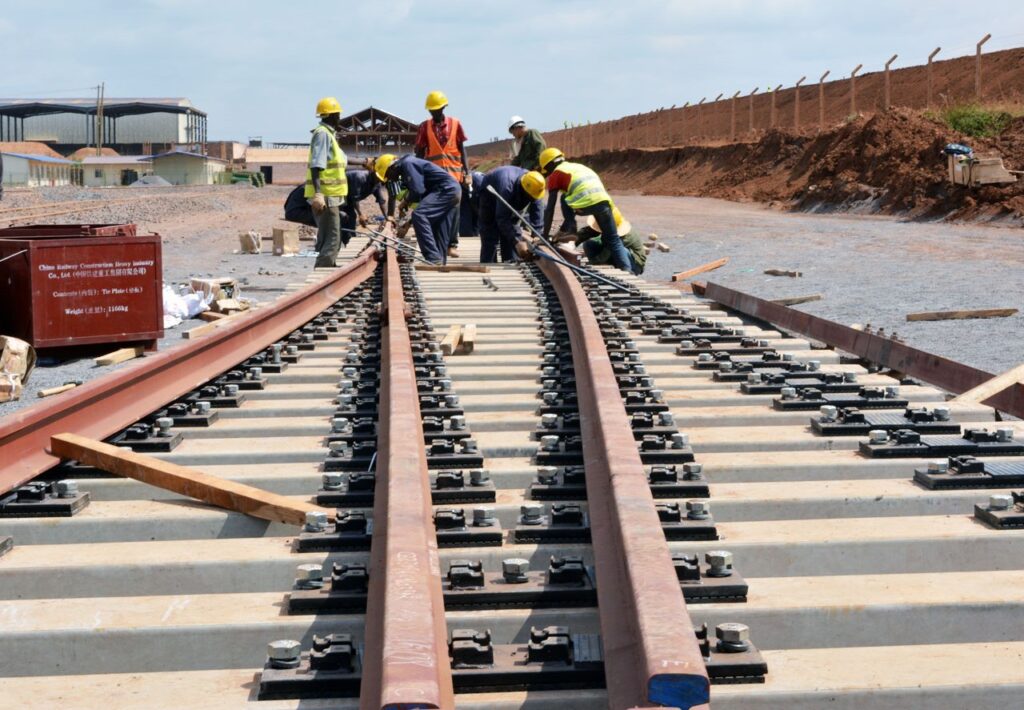
Environmental Impact Assessment (EIA) is a critical process in railway construction because railway projects often cover long distances and pass through diverse environments, including forests, wetlands, water bodies, and human settlements. Conducting an EIA before construction helps identify potential environmental and social impacts and guides planners in making environmentally responsible decisions.
One important role of EIA in railway construction is minimizing environmental damage. Railway development can lead to habitat destruction, soil erosion, noise and vibration pollution, and disruption of wildlife movement. Through EIA, alternative routes can be considered, sensitive ecosystems avoided, and mitigation measures such as wildlife corridors, noise barriers, and proper drainage systems introduced.
EIA also helps protect communities and public health. Railway projects may cause displacement, increased air and noise pollution, and safety risks. Public participation during the EIA process ensures that affected communities are consulted and their concerns addressed, reducing conflicts and improving project acceptance.
Furthermore, EIA ensures legal compliance and promotes sustainable development. It helps railway projects meet environmental laws and standards, prevents costly delays, and ensures long-term environmental and social sustainability. Overall, Environmental Impact Assessment is essential in railway construction to balance infrastructure development with environmental conservation and community well-being.