
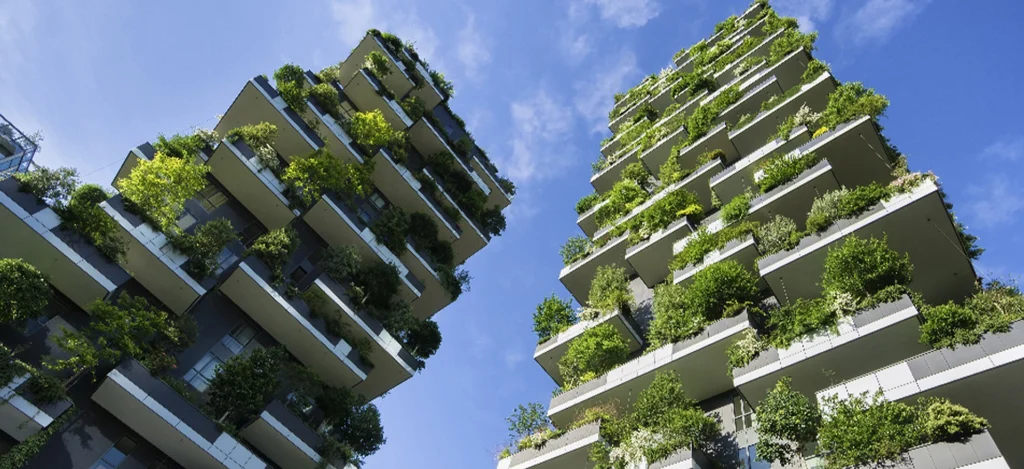
Environmental Impact Assessment (EIA) plays an important role in the hotel industry, especially because hotels are often developed in environmentally sensitive areas such as coastlines, forests, wetlands, and wildlife habitats. Conducting an EIA before hotel construction and operation helps identify potential environmental and social impacts and ensures that tourism development is sustainable.
One key importance of EIA in the hotel industry is environmental protection. Hotel developments can lead to habitat destruction, water pollution, excessive water use, waste generation, and energy consumption. An EIA assesses these impacts and recommends mitigation measures such as proper waste management systems, sewage treatment, water conservation practices, and use of renewable energy to reduce environmental degradation.
EIA also safeguards local communities and cultural resources. Hotel projects may affect local livelihoods, access to natural resources, and cultural heritage sites. Through public participation, EIA ensures that community concerns are addressed and that tourism development benefits local people rather than causing social conflict.
Additionally, EIA supports sustainable tourism and legal compliance. It helps hotel developers comply with environmental laws and standards, avoid costly environmental damage, and enhance the hotel’s reputation as an environmentally responsible business. Overall, Environmental Impact Assessment is essential in the hotel industry to balance economic growth with environmental conservation and social well-being.