
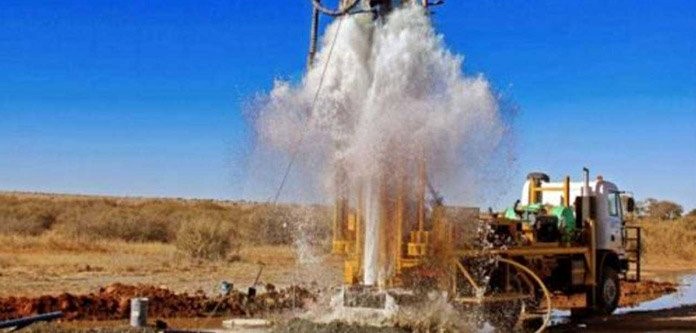
Environmental Impact Assessment (EIA) on boreholes is important for several reasons, mainly to ensure sustainable water use, environmental protection, and human well-being.
1. Protects Groundwater Resources
EIA helps prevent over-extraction of groundwater, which can lead to falling water tables, drying of wells, and depletion of aquifers.
2. Prevents Water Contamination
It identifies risks of pollution from poor drilling practices, surface runoff, waste, or nearby activities, ensuring boreholes are properly sealed and protected.
3. Ensures Sustainable Development
By assessing long-term impacts, EIA promotes responsible use of water resources so that future generations can also benefit.
4. Protects Ecosystems
Groundwater supports wetlands, rivers, and vegetation. EIA helps avoid negative effects on plants, animals, and natural habitats.
5. Safeguards Human Health
Clean and safe groundwater reduces the spread of water-borne diseases and protects communities that depend on boreholes for drinking water.
6. Reduces Environmental Degradation
EIA minimizes problems such as soil erosion, land disturbance, noise, and dust caused by drilling activities.
7. Prevents Social Conflicts
Assessing water availability helps avoid conflicts over water use between communities, farmers, and industries.
8. Ensures Legal and Policy Compliance
EIA ensures borehole projects follow environmental laws and regulations, reducing the risk of penalties or project failure.
9. Improves Project Planning and Success
Early identification of environmental risks leads to better site selection, design, and management of boreholes.