
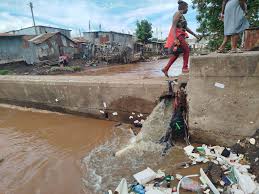
There is a lot of sewage running along trenches in major towns in Kenya due to a combination of rapid urbanization, inadequate infrastructure, and weak enforcement of environmental and planning regulations.
One major reason is overstretched sewer systems. Many towns have grown faster than their sewer infrastructure can handle. Old sewer lines were designed for much smaller populations, so when they become overloaded, sewage overflows into open drains and trenches. In some areas, sewer systems do not exist at all, forcing households and businesses to discharge wastewater into open channels.
Another key factor is poor urban planning and informal settlements. Many informal settlements develop without proper sanitation facilities or connection to sewer lines. As a result, waste is often released directly into trenches, rivers, or roadside drains. Limited space and poverty make it difficult to construct proper sewage systems in these areas.
Poor maintenance and management of existing sewer systems also contributes to the problem. Blocked sewer lines, broken pipes, and lack of regular maintenance cause sewage to leak or flow openly. In addition, illegal connections by households and businesses overload the system and increase spillages.
Lastly, weak enforcement and limited funding play a role. Local authorities often lack sufficient resources to upgrade sanitation infrastructure or enforce environmental laws. This allows untreated sewage to continue flowing in open trenches, posing serious health and environmental risks.
Overall, the widespread sewage problem in Kenyan towns reflects the need for improved urban planning, investment in sanitation infrastructure, stronger regulation, and public awareness on proper waste management.