
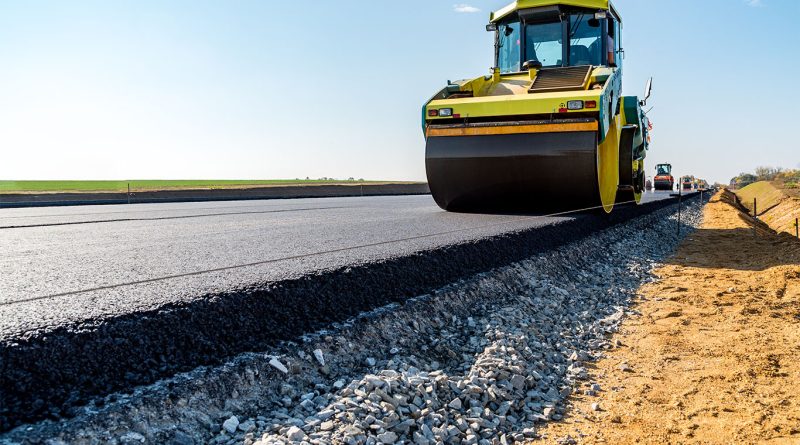
Environmental Impact Assessment (EIA) is essential before road construction because it helps identify and manage potential negative effects on the environment and surrounding communities. Roads often pass through sensitive areas such as forests, wetlands, water bodies, and settlements, and without proper assessment, construction can cause serious and irreversible damage.
An EIA helps predict environmental impacts such as soil erosion, water pollution, habitat destruction, and increased flooding. By identifying these risks early, planners can redesign road routes, adopt environmentally friendly construction methods, and put mitigation measures in place. This reduces harm to ecosystems, wildlife, and natural resources that communities depend on for their livelihoods.
EIA is also important for protecting human health and social well-being. Road projects may lead to displacement of communities, increased noise and air pollution, or disruption of economic activities. Through public participation, EIA ensures that affected communities are informed, consulted, and their concerns considered in decision-making.
Furthermore, conducting an EIA promotes sustainable development and legal compliance. It ensures that road projects meet environmental laws and standards, reducing conflicts, delays, and costly repairs in the future. Overall, Environmental Impact Assessment is a vital tool for ensuring that road construction supports development while safeguarding the environment and society.