
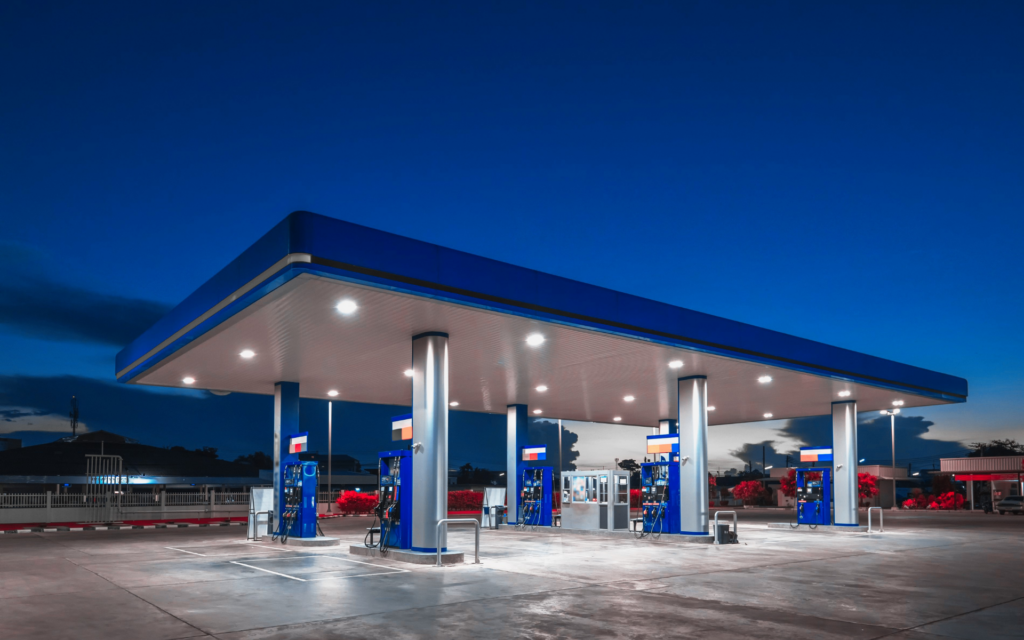
Environmental Impact Assessment is the process of studying the possible environmental effects of a proposed project before it is built, so that harmful impacts can be prevented or minimized.
An Environmental Impact Assessment (EIA) of a Petrol Station is a systematic study done to identify, predict, and evaluate the environmental effects that may result from constructing and operating a petrol (fuel) station, and to suggest measures to reduce negative impacts.
Positive Impacts of a Petrol Station
- Provides fuel accessibility for vehicles
- Creates employment opportunities
- Supports economic development
- Improves transportation efficiency
Negative Environmental Impacts
a) Soil Pollution
- Fuel leaks from underground tanks can contaminate soil.
- Oil spills during refueling damage soil quality.
b) Water Pollution
- Leakage of petrol and diesel can seep into groundwater.
- Runoff water carrying oil can pollute nearby rivers or streams.
c) Air Pollution
- Emission of fuel vapors.
- Exhaust fumes from vehicles increase air pollution.
d) Noise Pollution
- Noise from vehicles, fuel pumps, and generators affects nearby residents.
e) Fire and Explosion Risk
- Petrol is highly flammable, posing safety and environmental risks.
Mitigation Measures (Ways to Reduce Impacts)
- Install leak-proof underground storage tanks
- Regular inspection and maintenance of tanks and pipes
- Proper drainage systems to prevent runoff pollution
- Use of vapor recovery systems
- Fire safety equipment and emergency response plans
Proper waste management